
Safeguarding with young people who are questioning, leaving, or changing faith

Meet our contributors and conversation leaders…
Standard ticket: £65.
Pay what you can available.
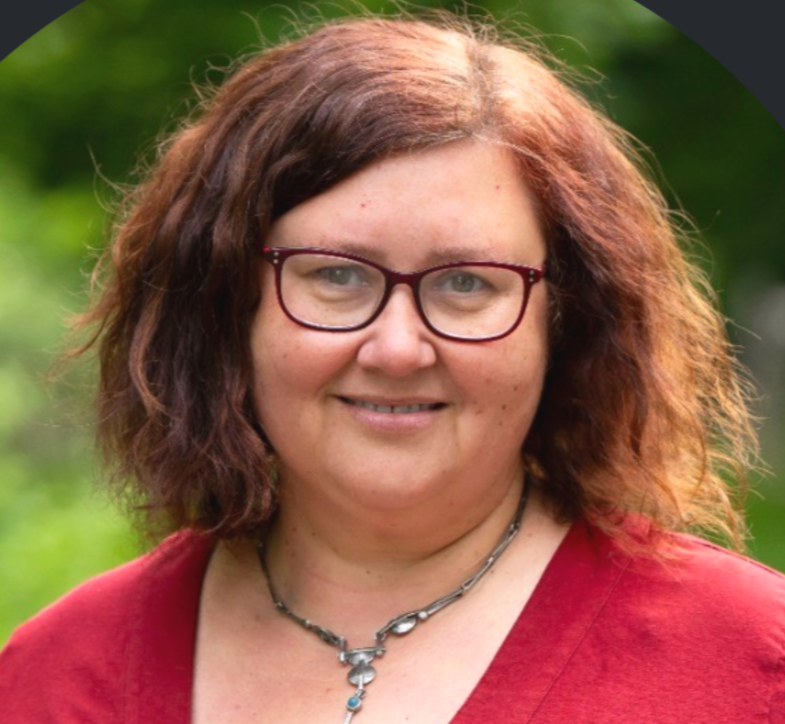
Sarah Robbins professional background is in children and families social work and she has been working with the children and young people of Birmingham for thirty years in the statutory and voluntary sectors. Sarah is CEO of The Springfield Project, a community anchor organisation which provides a range of support services and activities for children, young people and adults, promoting community cohesion and neighbourhood development in the Sparkhill area of Birmingham.
Sarah is the Chair of Birmingham Humanists, volunteers as a Humanist school speaker and represents non-religious worldviews within inter-faith dialogue. She is the Chair of Governors for a Birmingham primary school. As the CEO of a Christian charity within an ethnically and religiously diverse neighbourhood, and the parent of two non-religious children who spent time at a Jewish primary school, Sarah embraces the diversity of this great city. She is deeply committed to the wellbeing and rights of children and young people and ensuring that the complexities of faith, belief, identity, and young people’s agency are understood and promoted.
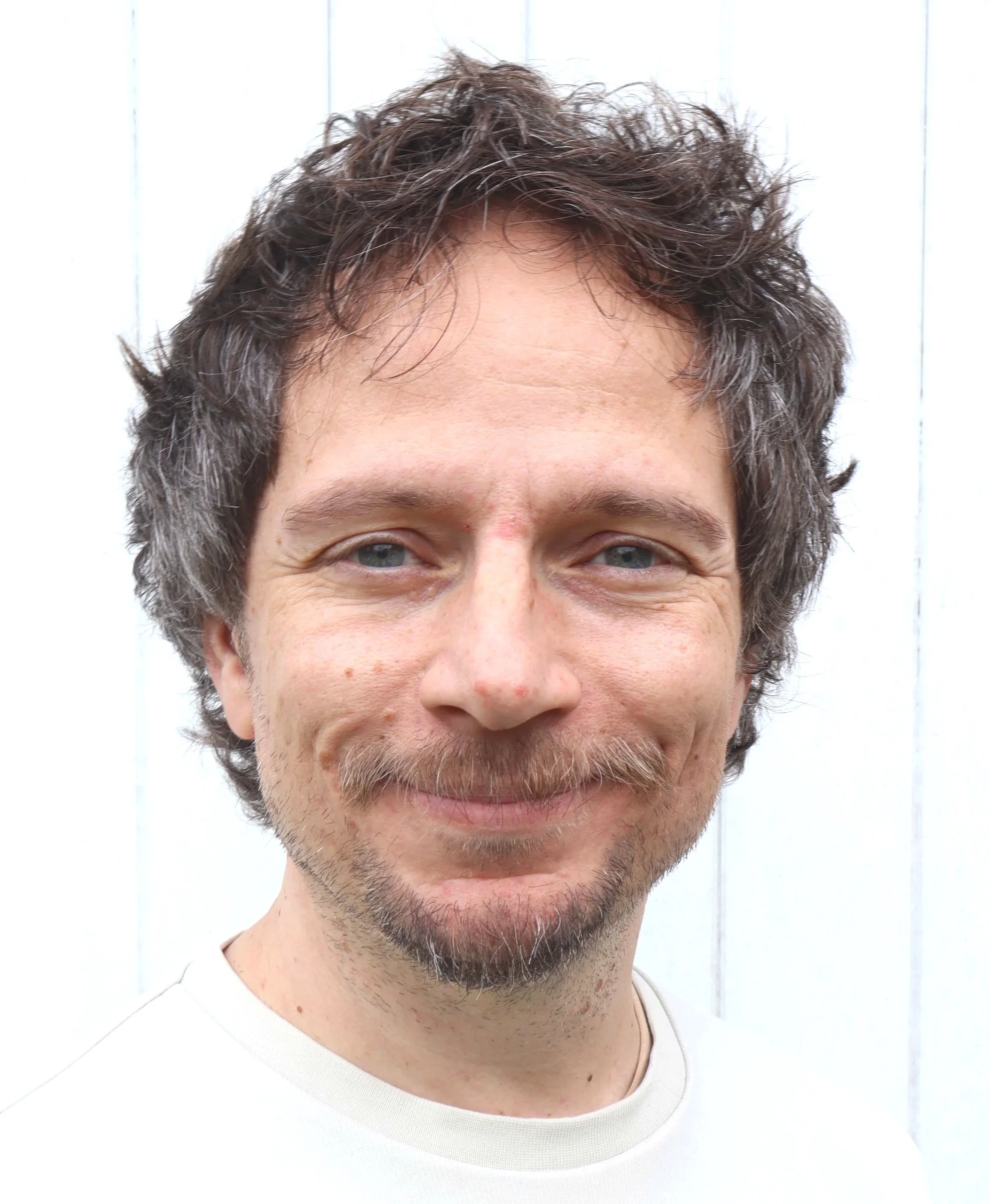
Colin Michel is a researcher, and facilitator committed to improving understanding of good practice with young people. He began in community development and youth work, and rights-based, relational values have shaped everything he has done since. He has worked as a consultant across education, social care, and multi-agency safeguarding arrangements in England. As co-founder of Resonant Collaboration, he loves to convene resonant spaces where practitioners, young people, and researchers learn together and co-create knowledge and practice.
His PhD at the University of Sussex explores how youth and community workers respond to LGBTQ+ young people experiencing harm, grounded in his commitment to starting from people's everyday experience and relationships.
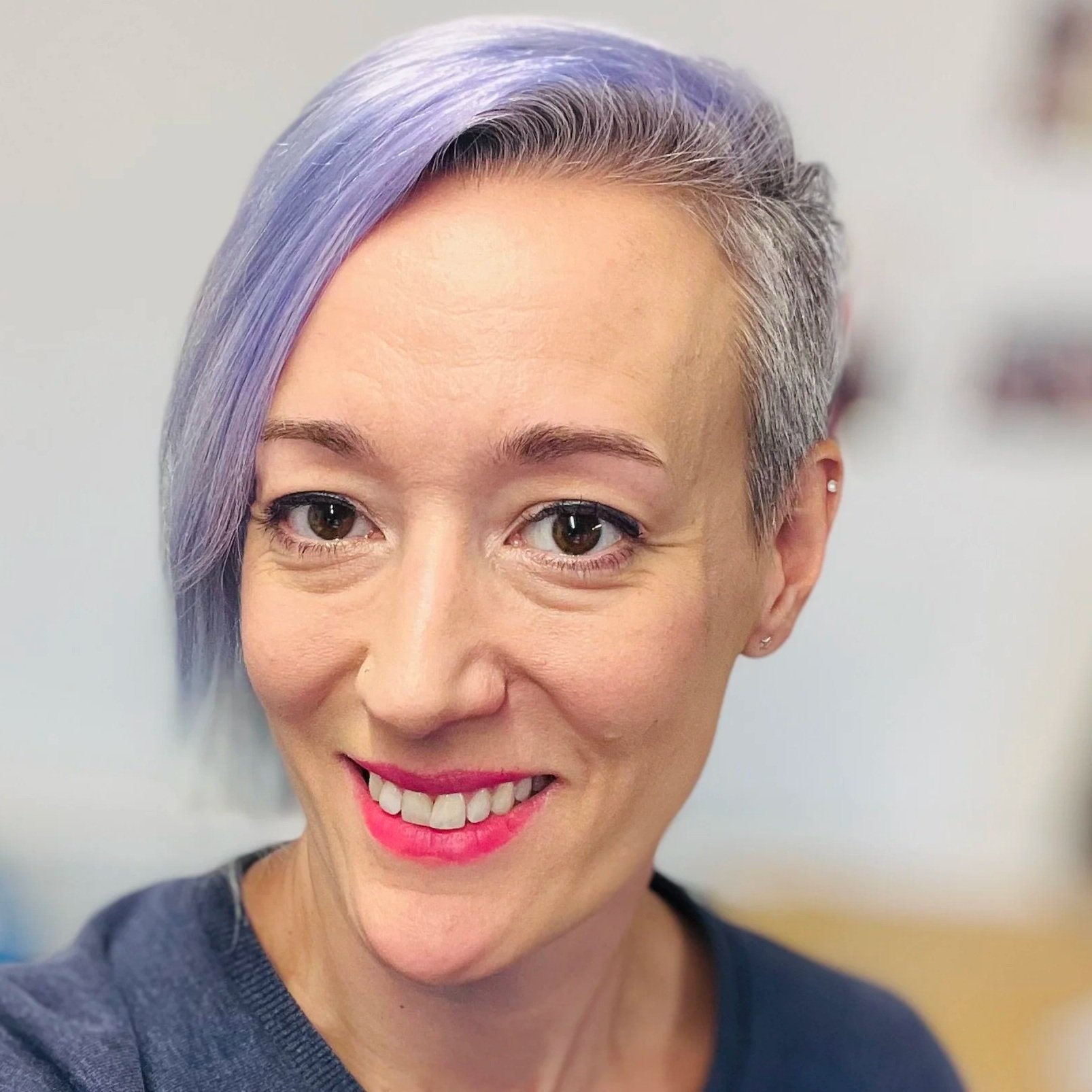
Dr Naomi Thompson is Reader in Youth and Community Work at Goldsmiths, University of London. Her research focuses on issues of inclusion and exclusion for young people and communities. She is interested in people's intersectional identities and experiences - and their relationships with religious and other institutions. She has particular expertise in Christian youth work as well as faith-based youth work more broadly.
Naomi has lived experience of abuse in a church context and of leaving the evangelical Christian faith she was brought up in. Her research has considered how positionality impacts approach and interpretation in research in religious contexts, as well as how positionalities change and fluctuate over time. Her new research (alongside Resonant Foundation) is exploring journeys to recovery and reparation for adults with experience of childhood abuse in churches.
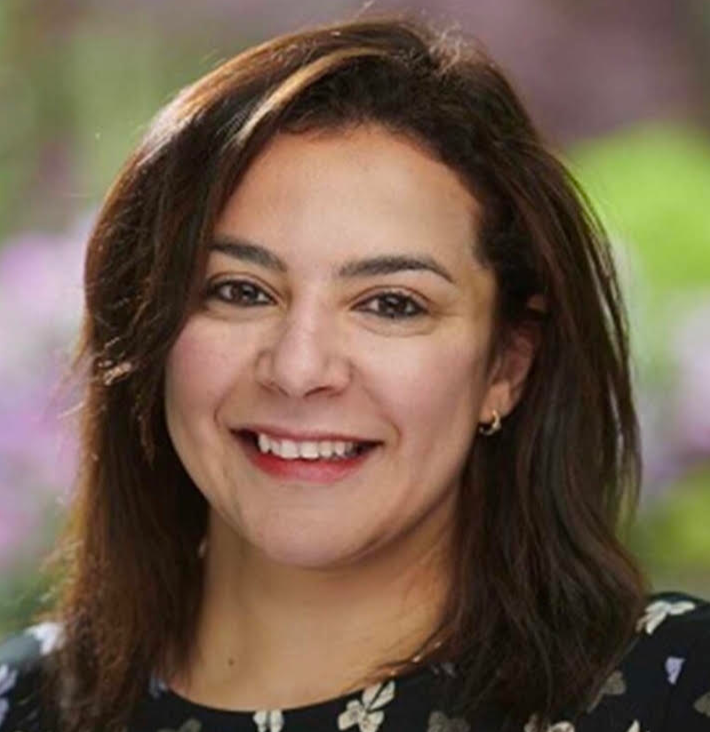
Dr Shereen H. Shaw is an academic and researcher at Liverpool John Moores University, where she teaches on the Religious Education Initial Teacher Training programme. She also lectures in Philosophy as part of the University of Liverpool’s Great Thinkers Series. Her interdisciplinary research spans philosophy, literature, gender, Middle Eastern religious and cultural studies, and translation.
She holds a PhD in Philosophy from the University of Liverpool and is the author of Britishness, Identity and Belonging in Education: Social Justice in Troubling Times (Springer Nature). Her work explores the intersections of philosophy, education, culture, and identity, with a particular focus on interdisciplinary enquiry and critical thinking.
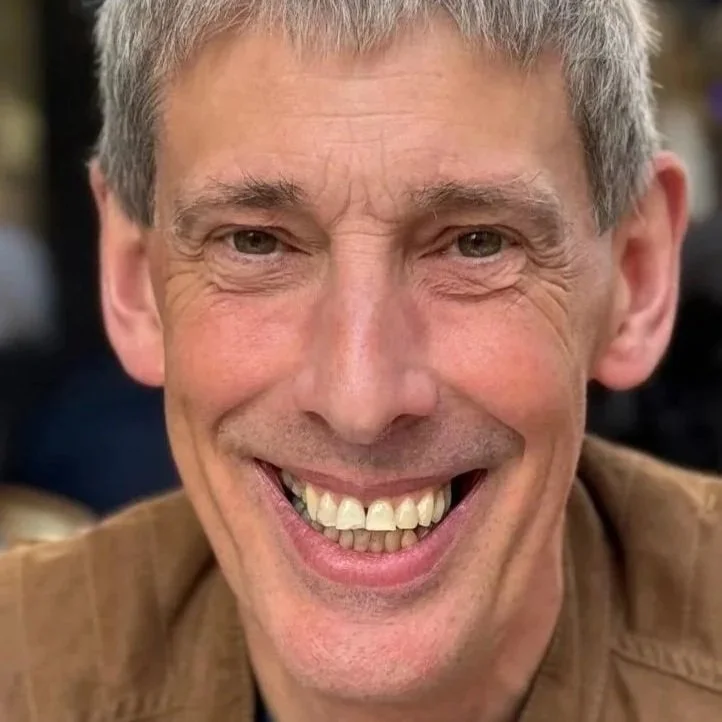
Canon Dr Andrew Smith is the Director of Interfaith Relations for the Bishop of Birmingham. He has been involved in interfaith relations for over thirty years and has written and taught on the topic including the issue of conversion. He is a member of the Birmingham Faith Leaders Group, and advises religious, political and civic leaders on interfaith relations including West Midlands Police, Warwickshire County Cricket Club and the National Police Chiefs Association.
He teaches on interfaith relations in the UK and overseas and in 2009 Founded of The Feast Youth charity that brings together teenagers of different beliefs and cultures to build understanding and friendships. In 2018 he was awarded The Hubert Walter Award for Reconciliation and Interfaith Cooperation for his Outstanding Contribution to Interfaith Relations by the Archbishop of Canterbury. He is married to Sarah and they are members of St Christopher’s Church in Springfield, Birmingham.
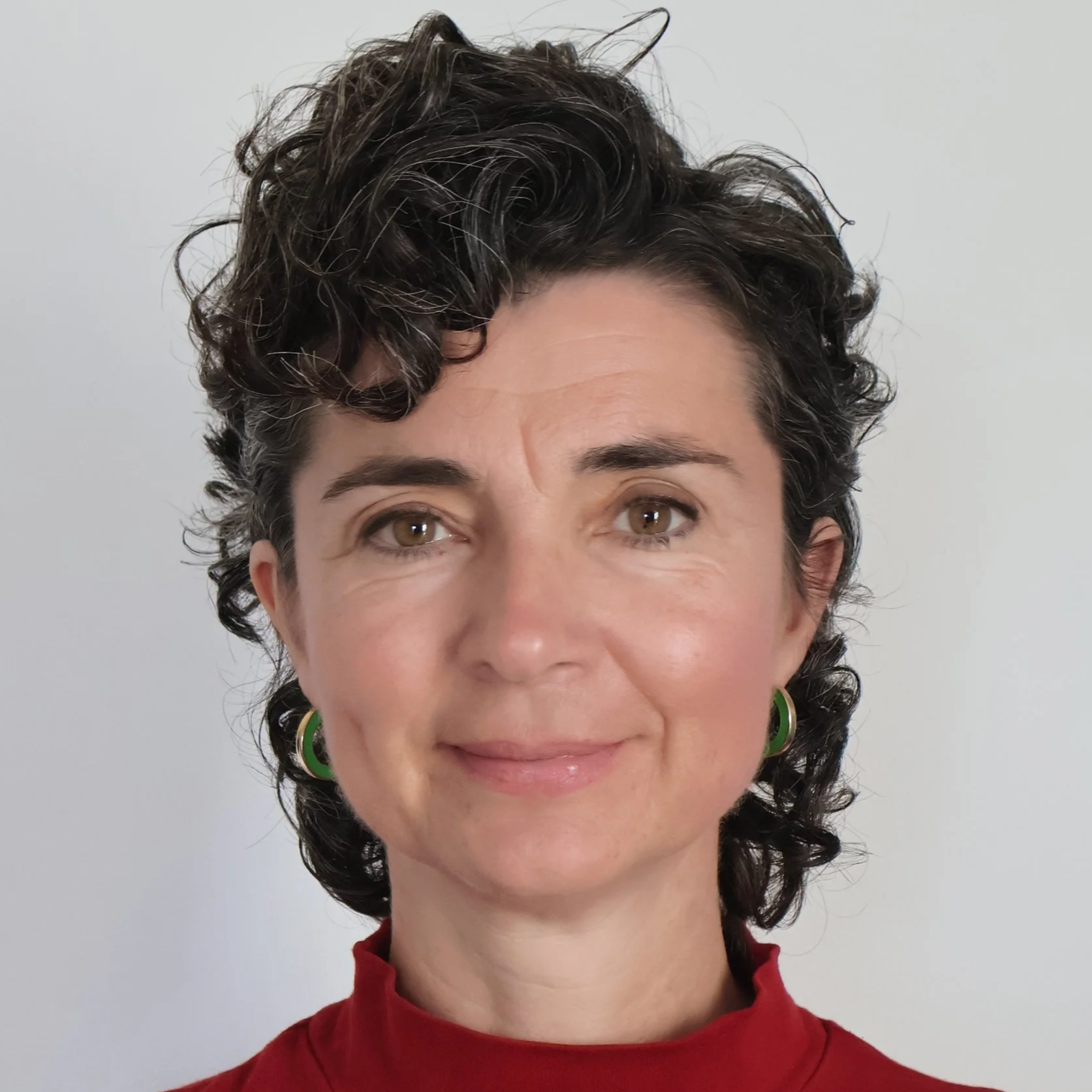
Dr Rachael Owens is Associate Professor in Durham University’s Global Centre for Contextual Safeguarding. Her work focuses on how systems implement Contextual Safeguarding, a framework for addressing youth harm grounded in ecological principles and relational values. Her career spans the creative arts, voluntary and community sector, and social work. As a practitioner, she supported the first implementation of Contextual Safeguarding in Hackney before completing a collaborative PhD on youth parenting.
At GCCS, Rachael leads participatory practitioner–researcher collaborations focused on achieving deep-rooted culture change within social care and wider society. She is the strategic lead for the Local Authority Interest Network, a large practitioner network that supports implementation, innovation and leadership in children’s social care. Most recently, she co-authored a book on system change in children’s social care, drawing on her experiences of applied practitioner research.
Dr Lucy Potter is an ESRC Postdoctoral Fellow in the Department of Sociological Studies at the University of York. She is a qualitative sociologist whose research specialises in forced migration and non-religion, with particular interests in asylum, human rights, identity, religion, and (de)coloniality. Her current research explores how non-religious identities intersect with experiences of displacement and refugee protection, with particular attention given to Home Office decision-making practices.
Alongside her academic research, Lucy undertakes collaborative and impact-focused work with charities, advocacy organisations, practitioners, and policy stakeholders to raise awareness of, and improve understanding of, the experiences of non-religious refugees and individuals seeking asylum on the basis of apostasy.
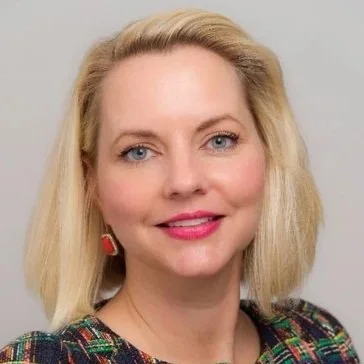
Kathleen Hallisey is UK and US‑qualified solicitor with more than 15 years’ experience representing survivors of sexual, physical, emotional, and spiritual abuse across the UK, US, and internationally. Her work spans complex civil litigation, safeguarding, charity governance, and high‑profile institutional abuse cases. She is known for her trauma‑informed approach, her ability to explain complex legal issues in clear and accessible language, and her commitment to amplifying the voices of survivors — including those from the deaf and hard‑of‑hearing community. She has acted in landmark cases, contributed to government consultations, and regularly appears in print, radio, and television media.
Alongside her legal practice, she serves as a Trustee of Thirtyone:eight and sits on the Advisory Committee of the National Working Group Against Spiritual and Ritual Abuse. She frequently delivers training to charities, churches, and public bodies, and have hosted podcasts, conferences, and public events on safeguarding and abuse‑related issues.
Her career has taken her from New York litigation practice to senior roles in leading UK firms, and now to consultancy work where she supports individuals, charities, and organisations navigating sensitive and complex matters. Most recently, she has joined the University of Law as a lecturer in Clinical Legal Education where she hopes to impart her passion for representing victim-survivors on the next generation of lawyers.
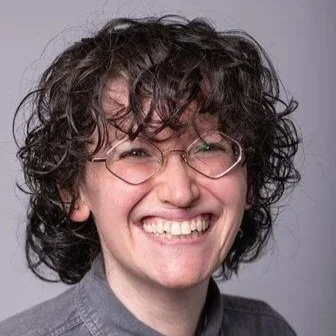
Yehudis Fletcher is a PhD researcher at Durham University’s GCCS. She previously studied Social Policy (BSc) and Religion and Theology (MA), researching the situational risks experienced by Charedi children in Salford and then epistemic injustice in relation to how outsiders choose which people to listen to when attempting to access lived experience within minority faith contexts. Findings suggested that issues of cultural deference and credibility excess tend to benefit those with power within faith communities, and to undermine the voices of those with the least power, with serious ramifications for safeguarding and wellbeing. Yehudis’s doctoral research takes these concepts further to consider an area in Contextual safeguarding literature that is underexplored. Her PhD looks at theology as context for abuse, with a focus on Catholic theology and its reception in Catholic places of learning.
Yehudis is the co-founder and CEO of Nahamu, the UK’s only independent think tank addressing ideologically motivated harms within Charedi Jewish communities. She works with faith leaders, community organisations, and policymakers across central and local government to improve understanding and engagement on issues including forced marriage, education, and bodily autonomy. Yehudis is an author, speaker, and recognised thought leader on safeguarding internal minorities within religious communities.
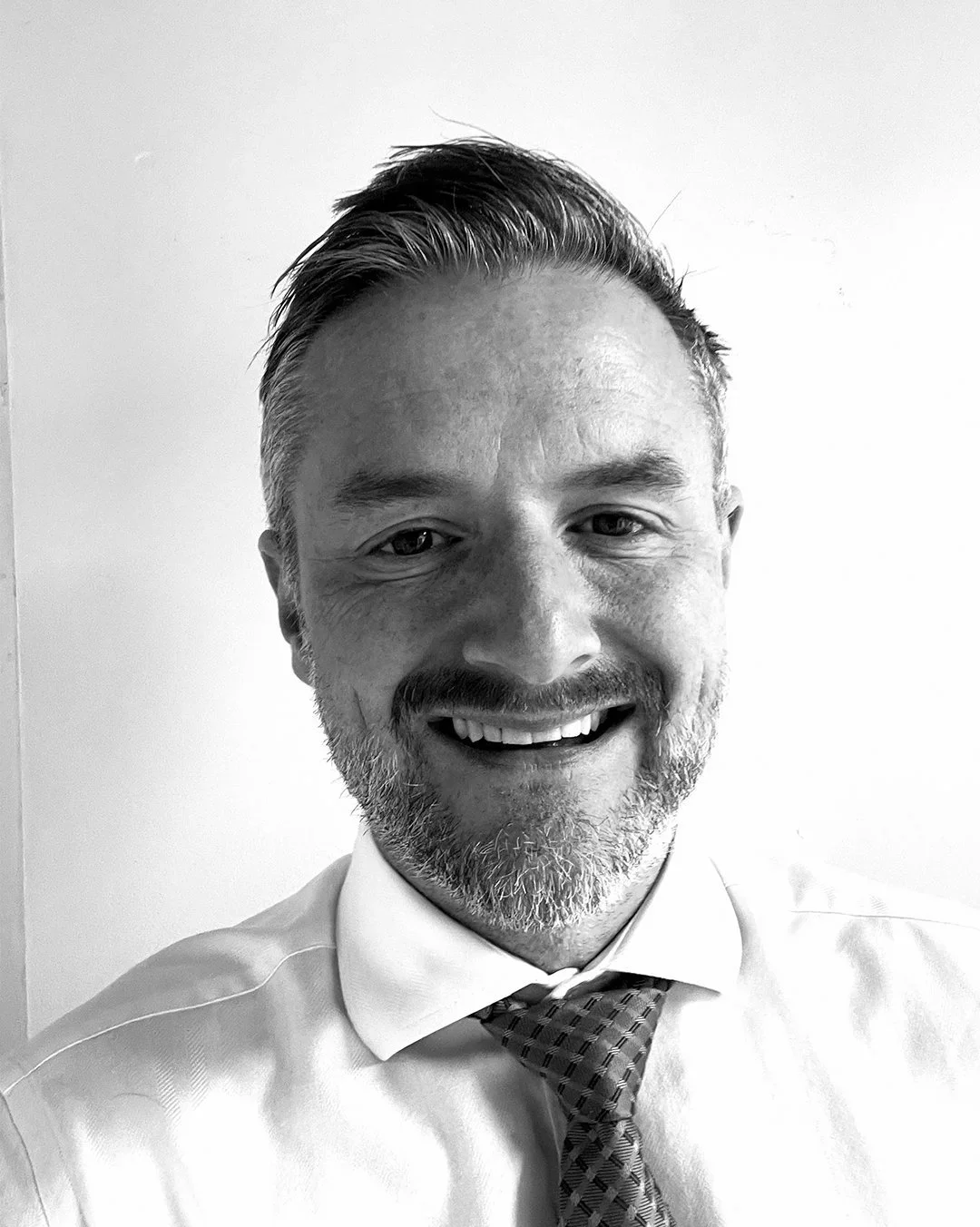
Jordan Alexander has over 25 years’ experience in leading on serious safeguarding investigations at a national and international level, working in the Police for 20 years and then a Director of Safeguarding for a national charity, while currently working as the Head of Safeguarding for the UK’s largest Social Housing Provider.
He is the current Chair for the National Working Group against Spiritual and Ritual Abuse, leading over 160 national and statutory agencies, charities, and academics in the UK to bring positive change to safeguard people at risk from abuse, while also working directly with key Members of Parliament to seek changes in legislation to further prevent Spiritual and Ritual Abuse. He is a qualified, accredited facilitator and firmly believes in providing training that is interactive, engaging, and immersive, ensuring those who attend leave confident in being able to fully manage safeguarding concerns and reports.
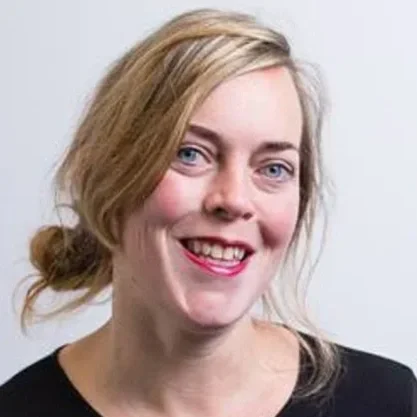
Selina Wallis is Public Involvement Manager for NIHR Applied Research Collaboration North West Coast at the University of Liverpool, with over 17 years’ experience across universities, NHS organisations and public bodies. Her work and writing focus on neurodiversity, adolescence, safeguarding and complex risk, particularly how systems can respond in more relational and trauma-informed ways.
Selina has helped shape this conference and co-facilitated workshops with young people exploring what support might be needed when faith, identity, relationships and safety intersect. Drawing on lived experience of childhood sexual abuse and bereavement during adolescence, Selina will explore how spiritual searching can become connected with grief, identity and meaning-making after trauma and loss. Her contribution considers how safeguarding practice can make room for young people who are finding or deepening faith and spirituality, while recognising that faith can be experienced as protective, harmful, or both.
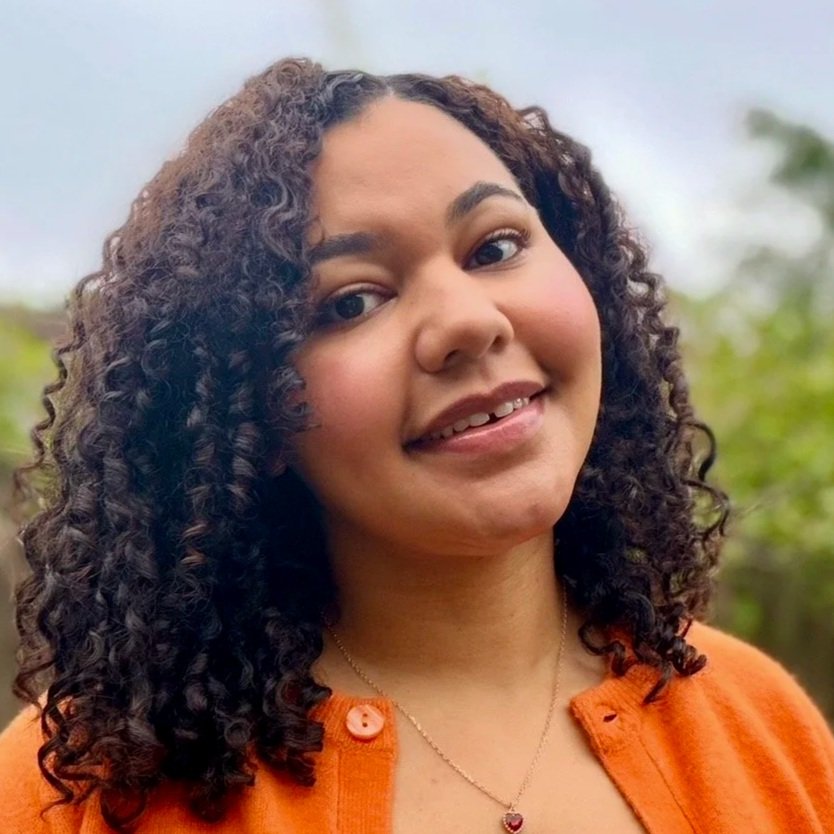
Rachael Reign is an award-winning safeguarding specialist and Founder & CEO of Surviving Universal UK (SUUK), the UK’s only Black-led specialist organisation dedicated to addressing spiritual and cultic abuse. Drawing on more than six years’ experience within children’s services, alongside her lived and professional expertise, Rachael works nationally across survivor support, safeguarding, training, advocacy and policy. Her work has a particular focus on racial inequity, culturally competent safeguarding and the barriers faced by Black and minoritised communities experiencing abuse within religious, spiritual and high-control environments.
Rachael has advised and trained professionals across statutory, voluntary and specialist services, and is an advisor to the National Working Group Against Spiritual and Ritual Abuse (NWG SARA). Her work centres on ensuring safeguarding systems recognise not only abuse itself, but the institutional and cultural barriers that determine whose experiences are believed, understood and acted upon.
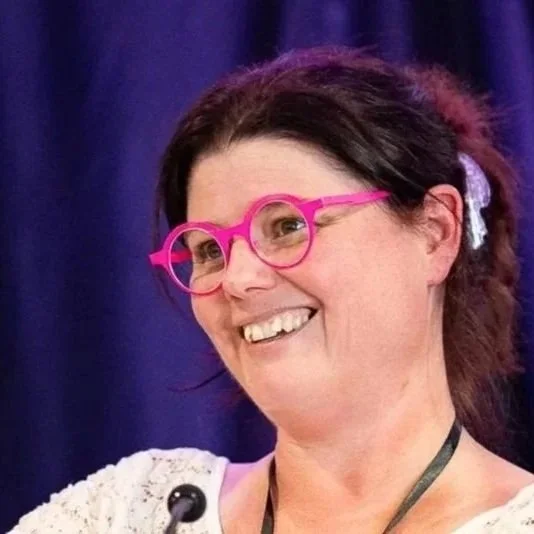
Donna Craine is Support and Advocacy Services Manager at Humanists UK. She oversees all the work of Faith to Faithless, including the helpline, peer support, social groups, training for professionals, and the support service for people seeking asylum because of the persecution and danger they face due to their non-religious beliefs. Prior to working for Humanists UK, Donna managed a helpline supporting victims of religious, supported victims of political conflict and has brought a wealth of trauma-informed experience to the service.
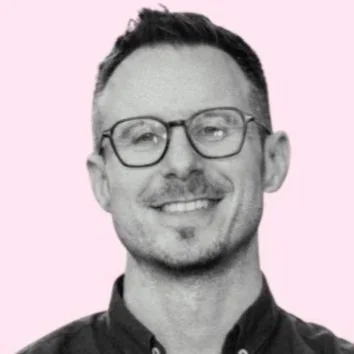
Matt Mahmood-Ogston is CEO and Founder of Naz and Matt Foundation
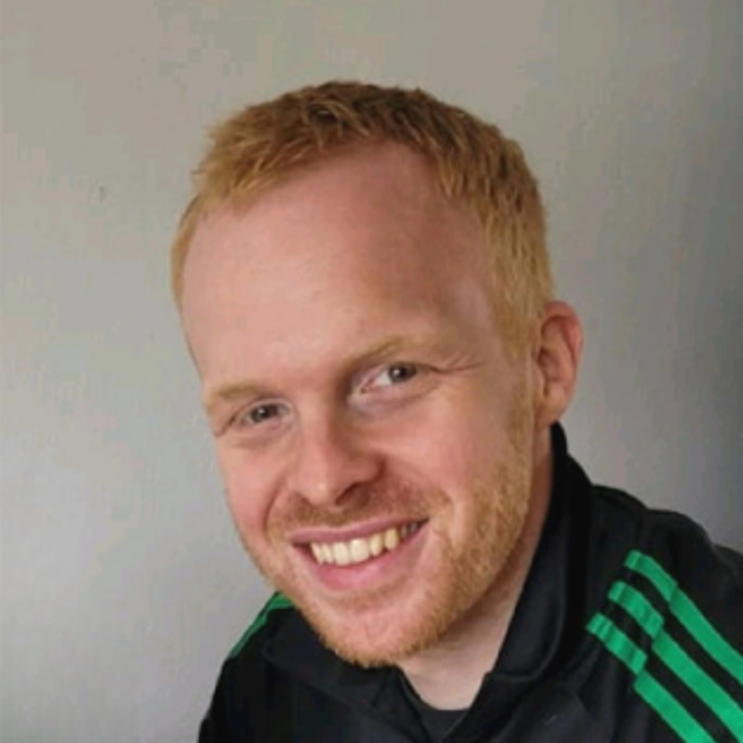
Dr Luke Billingham is a youth worker at Hackney Quest, a long-running charity based in North East London, and an academic researcher at the Open University. At Hackney Quest, he has two focuses: (1) providing support to young people who are experiencing complex difficulties, especially in relation to the education system, and (2) working alongside young people on projects to improve the Hackney Wick neighbourhood (where Luke grew up).
At the Open University, his work focuses on violence reduction policymaking. Between 2021 and 2024, he was a Research Associate on a major multi-University study examining violence reduction in England and Scotland. He has co-authored three books: Against Youth Violence (2022), Preventing Violence (2025) and The Public Health Approach to Violence Reduction (2026). In addition, Luke has published a number of peer-reviewed journal articles and book chapters on issues such as violence, school exclusions, and social infrastructure for young people